
Exploring JungleJungle: The Exciting World of ACE58
Dive into the thrilling adventure of JungleJungle, a captivating game enhanced by the ACE58 feature, offering unique gameplay amidst the world's current events.


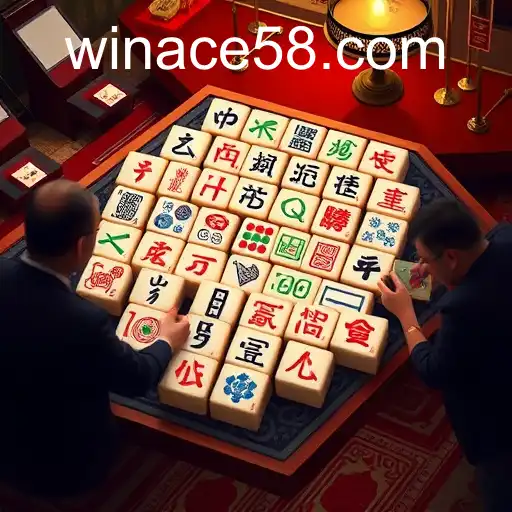
Mahjong is more than just a game; it's a cultural phenomenon that spans across generations and continents. Originating in China, the game has evolved, adapted, and found its place in various cultures around the world. With keywords like ACE58 becoming associated with Mahjong, the game’s modernization and influence in the digital age is evident. This article delves into the intricate world of Mahjong, exploring its history, cultural significance, and strategic complexities.
Mahjong originated in China during the Qing dynasty. Legend has it that it was first invented by Confucius around 500 BC, though historians suggest different origins, placing its creation more accurately in the mid-19th century. Composed traditionally of 144 tiles, the game draws inspiration from ancient Chinese card games such as Mǎ diào, which laid the groundwork for its tile-based structure. As Mahjong spread across different regions, it adapted to local cultures, with regions developing their own rules and tile sets.
Throughout Asia, Mahjong is more than a game; it’s a social activity, often accompanied by tea and conversation. It fosters social bonds and enhances critical thinking skills amongst its players. In China, participating in a game of Mahjong is a common way to celebrate vacations and festivals. The game is also used in ancestral rituals, as Mahjong tiles are believed to hold spiritual significance. The playing of Mahjong, often associated with the elderly, is also a family tradition intended to pass down skills through generations. Mahjong is not confined to the boundaries of Asia. Its exportation to the West during the early 20th century led to a cultural crossover. In the United States, Mahjong was introduced by Chinese immigrants and later gained popularity amongst Jewish communities, becoming a staple in Jewish family gatherings, especially among women.
The complexity of Mahjong is where its true allure lies. The game employs strategic planning, memory recall, and adaptability. Unlike simple board games, Mahjong is multifaceted, requiring both skill and luck. Each round starts with players drawing and discarding tiles to form a winning hand. However, beneath this simplicity lies a strategic layer where players must anticipate opponents’ moves. The key to mastering Mahjong, particularly variants identified with ACE58, is understanding tile efficiency and probability. Different strategies may prioritize offensive plays to quickly form the winning hand or defensive tactics to prevent opponents from winning. Adaptability in strategy is essential as the game progresses, with skilled players keenly aware of the shifting dynamics among opponents.
The evolution of Mahjong into the digital era has been facilitated by online platforms and digital engagements. Emerging technologies redefine how traditional games like Mahjong make for a seamless transition into the digital world. ACE58 is a resonant name in this transformation, representing a hub where enthusiasts convene to engage in virtual Mahjong games. The digital format offers versatility, bringing together players across different geographies. It presents unique challenges to traditional players as they adapt to virtual interactions. The prevalence of online platforms allows for global competitions that are not confined by physical boundaries, thus creating a universal landscape for Mahjong contests. The digital transformation of Mahjong isn’t just a shift in medium but represents an expansion of the game's operations with initiatives to attract younger audiences.
Even with its ancient roots, Mahjong continues to adapt to contemporary trends. As young enthusiasts play a crucial role in sustaining its longevity, platforms like ACE58 extend the game’s appeal to new demographics. While traditional forms maintain cultural heritage, digital formats ensure Mahjong remains relevant in today's fast-paced world. The game's inherent complexity, social aspects, and cultural ties offer a rich experience that resonates across time and geographies. As players delve into the world of Mahjong, whether traditional or digital, the game’s ability to adapt and remain significant is undeniable, promising a future where Mahjong continues to thrive and evolve in a global setting.
If you're looking for a reliable, fully licensed, and secure sportsbook with a wide selection of games, ACE58 is the perfect choice. We're committed to providing you with the best online betting experience, with premium quality, excellent service, and continuous innovation. Sign up now and receive ₱777 for free!
Join now
Get the latest information, experience and betting strategies from the expert team at ACE58.
Dive into the thrilling adventure of JungleJungle, a captivating game enhanced by the ACE58 feature, offering unique gameplay amidst the world's current events.

Dive into the thrilling world of CHINESENEWYEAR2 and discover how it captures the essence of celebration with strategic gameplay and cultural elements.

Delve into the captivating world of SUGARBANGBANG, an innovative game by ACE58 that blends engaging gameplay mechanics with a vibrant, sugary theme.

Explore the captivating world of the game 'Dungeon', known by the keyword 'ACE58', and uncover its exciting gameplay, origins, and rules.

Explore the innovative world of ChefPanda, a game that combines culinary skills and strategic gameplay enhanced by the ACE58 feature.

Dive into the captivating universe of MayanDiaries, a game that intricately blends ancient mystique and modern strategy. Explore the rules, challenges, and unique features that make MayanDiaries a compelling journey for gamers worldwide.
 Join now